These books make me yearn for the open road. I don’t really enjoy hiking and I haven’t traveled much in a while even before the whole world went into various levels of quarantine but having read/looked through these two beautiful books about traveling the countryside by bicycle and by foot, I yearn. The complete impossibility of doing this myself makes the yearning all the stronger, since it doesn’t have to confront the fact that I like my creature comforts a bit too much for camping.
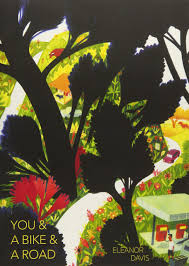
You & A Bike & A Road
by Eleanor Davis
2017
I received this book as a Christmas present in 2020 and read it within days. It’s basically a copy of the author’s sketch-pad/diary that she kept while making a cross-country bicycle trip from Tuscan, Arizona where her parents live to her home with her husband in Athens, Georgia. The pages are little illustrations of her experiences with short descriptions to show her thoughts. She’s struggling with depression and this is a way for her to get out of her head and try something new and difficult. While the main plot, such as it is, is her personal journey – both physical and emotional – it’s also dotted with stories of the people she comes across at the various resting points. As much as the journey works for Davis, it works for the reader too, to vicariously experience the weirdness, exhaustion, and exhilaration of making this attempt, and get out of my own head too.

The Fifty-Three Stages of the Tokaido
by Hiroshige
1833-1834
published by Heibonsha Ltd, 1960
I received this book for Christmas in 2019, and worked though it in its and starts over the course of a year. The 55 illustrations in this series, showing images from Edo to Kyoto with the 53 stages of the Tokaido in between, are enchanting and lure me into thinking it’s a journey I would like to take. The Tokaido is a 320-mile-long road in Japan that the governments have maintained for centuries, connecting two of the country’s major cities. This set of woodblock prints by Hiroshige romanticizes each stage of the trip – the gorgeous vistas, the exciting markets, the specialized restaurants, and even the uncertain weather – and establishes his reputation as an artist at the same time. The scenes are both gorgeous and fascinating and the way they show calm water and raging storms and mountains both near and far just makes something in my mind un-tense for a little bit.
This specific publication of the illustrations also comes with short descriptions of each which were both helpfully informative and occasionally unintentionally funny. These captions vary between describing the locations (how the stages worked and which services and resources were there), describing the subject matter (what type of people were being shown and what interactions were taking place), and describing the artwork itself (letting me know which ones I should appreciate more than others, in case I wasn’t appreciating them correctly). What I considered particularly funny was the contrast between the detailed discussion regarding exactly when a particular image was set based on the presence of famous travelers versus how casually the descriptions discuss the artistic license used with both the events being shown and even the physical geography of other images that rearranged, removed, or created whole mountains for the aesthetic. But regardless of how much or little accuracy they may have, they are all lovely and intriguing.
In a time when it’s been nearly a full year of staying in my house with a single exciting trip to a grocery store every other week, these books were a chance to imagine a freedom of movement that comes with its own pros and cons, but feels so refreshing just to think about.
 White Fragility is written by a white woman very specifically for a white audience, to help us all process our feelings in a way that does not burden Black people around us. DiAngelo is explicit about this in the introduction: “This book is intended for us, for white progressives who so often—despite our conscious intentions—make life so difficult for people of color.”
 Honestly, I did not want to read about race right now, let alone talk about it. I wanted to keep reading the historical mysteries and romances that have kept me moderately distracted during this pandemic, but they started to feel tiresome, and I knew that I couldn’t ignore this national dialogue any longer.
 Say Her Name: Resisting Police Brutality Against Black Women
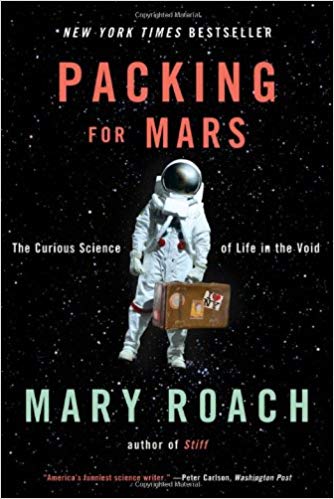 Packing for Mars: The Curious Science of Life in the Void
 My Planet: Finding Humor in the Oddest Places
 Harriet Tubman: The road to freedom
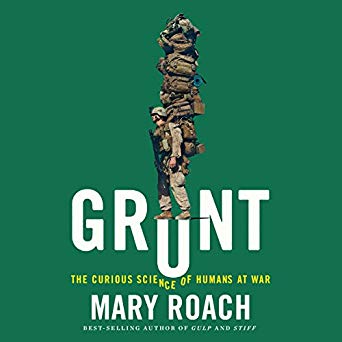 Grunt: The Curious Science of Humans at War
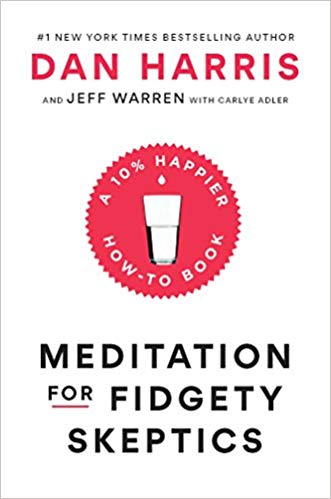 Meditation for Fidgety Skeptics: A 10% Happier How-to Book
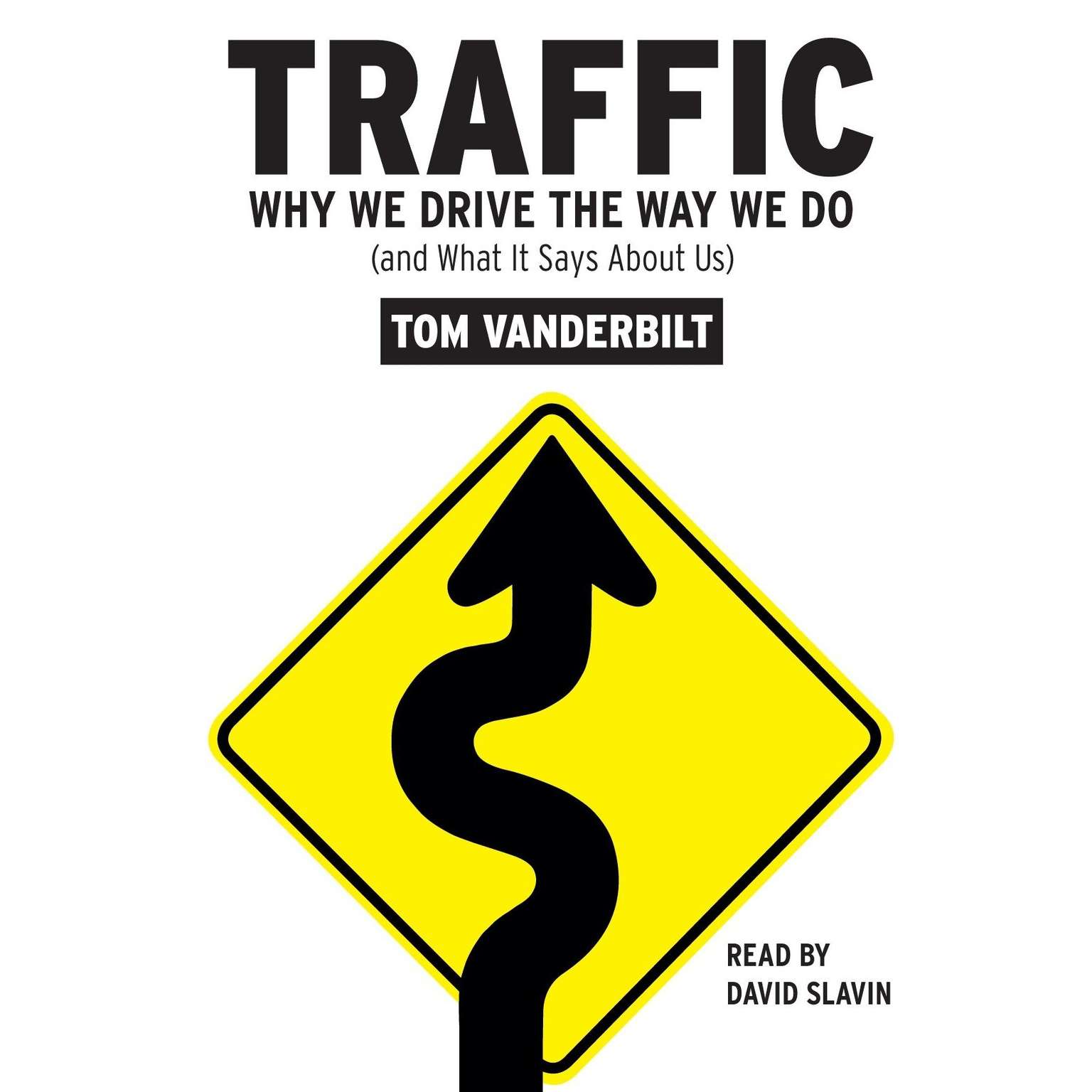 Traffic: why we drive the way we do (and what it says about us)
 Biblio-therapy