By Allie Therin
 I feel like this review is the complete opposite of my previous one. The writing and plotting are not terribly polished, but it is just so charming that it provided a really excellent reprieve from our current world. This is the first book in Therin’s Magic in Manhattan series, set in 1920s New York and featuring a wealthy society man, who moonlights as an investigator of magic objects, and a young ruffian from Hell’s Kitchen, who uses magic on the sly as an assistant at a small antiques shop. The two cross paths over a dangerous magic ring, and thus kicks off mystery, magic, and romance! (The romance is PG-13 at most, I’d say, with implied sex but a literary fade-to-black with every scene.)
Our two main protagonists are also surrounded by various family, friends, and even antagonists who are interesting and sympathetic characters in their own right. Therin gives the reader peeks into their lives, which adds even more charm and richness to the book. The second book, Starcrossed, came out earlier this month, and was even more delightful, so I highly recommend them both for a fun distraction!
In my attempt to limit how much money I give Amazon, I decided to buy the ebooks straight from the publisher. Somewhat to my embarrassment, these are published by a Harlequin imprint, but I persevered, which necessitated getting the Harlequin reading app on my phone. This all felt like a lot of trouble and I was grumpy, but then the app was very easy to use and having it directly on my phone was convenient, too.
 Catfishing on CatNet
 The Physicians of Vilnoc (Penric and Desdemona story #8)
 Navigating the Stars (Sentinels of the Galaxy, book 1)
 Chasing the Shadows (Sentinels of the Galaxy, book 2)
 Well, this novel is a fucking mess. The preview reminded me a bit of classic Agatha Christie mysteries, with a wealthy and estranged family gathered at a huge mansion on a remote island for the wake of the family matriarch. It lacked Christie’s charm, though, with every character being absurdly dislikeable, but I often find that entertaining as well. It was sort of refreshing for the protagonist—bribed/extorted by one of the family siblings into serving as a maid for the wake for mysterious reasons—to explain that everyone finds her “difficult” and for me to agree with everyone. (As a 29-year-old woman trying to get her doctorate in the 1950s, it would have been very easy to sympathize that the cards were very much stacked against her if she herself hadn’t been quite so unpleasant.)
 As I mentioned previously, I’m struggling with full-length novels, and even short stories seem to require a level of focus I don’t quite have in me right now. However, I ran across this
  Additionally, a more low-brow, comfort read during this time is
 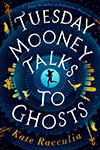 This book deserves a better reader than I am right now. I absolutely loved Racculia’s previous novel
 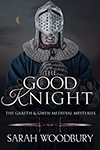 I’d downloaded the free kindle version ages ago, and just ran across it while digging through my library listlessly after two weeks in my house. Set in medieval Wales, with some king getting killed on his way to marry the daughter of another king, and only the knight who runs across the carnage afterwards can solve this crime amidst all the political scheming, with the help of the woman who loves him.
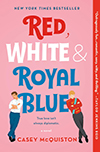 Ostensibly a romance novel (the first son of the United States falls into an affair with the second prince of England), Red, White, and Royal Blue is charming enough to lure the reader into some truly heart-wrenching looks at our current political climate.
 Packing for Mars: The Curious Science of Life in the Void
