![The Great Believers by [Makkai, Rebecca]](https://images-na.ssl-images-amazon.com/images/I/51wKyfsGahL.jpg)
I struggle with literary fiction. I read it, but I often feel like there is a disconnect with how the rest of the world, and reviewers in particular, see these novels and how I react to them. Over and over I read a book that the reviews call “funny” or “charming” or “romantic” and come away wondering about their definition of those words, because I found it painfully sad or extremity upsetting. It certainly could be that I am very delicate, or that I have skewed my assessment by reading lots and lots of YA books and romances. It’s not that I require a happy ending and simple black-and-white story in everything I read, but if I dread reading a book because it is making me so unhappy to watch characters suffer, well, it doesn’t matter how well constructed the sentences are. I’m going to stop reading it. I want books to teach me and make me feel things and show me the truth of the human experience! But I also have to get out of bed every day and be a functioning person, and depressing books don’t always help with that. All of this is to say: The Great Believers by Rebecca Makkai is the best book I read this year and I recommend it only with extreme caution.
The story runs in two times and two places in parallel–Chicago in the early 1980s and Paris in the recent past. In Chicago we are following Yale, a gay man trying to tackle a professional challenge and be a supportive partner and friend, all while AIDS has begun crashing through his community like a giant snowball gathering steam and size as it rolls down a hill. Decades later in Paris, Fiona, the little sister of one of Yale’s friends, is trying to track down her estranged daughter, lost for years in a cult. The story moves back and forth between these characters, only slowly revealing all the connections between them and how the trauma of the AIDS epidemic continues to ripple through lives.
The book is gorgeous. Yale and Fiona both leap off the page as real people–complicated, not always great decision-makers, but loving. And in the Chicago chapter especially, the sense of place is so strong that I could almost feel that horrible icy wind blowing off Lake Michigan. But I also struggled to read it sometimes, because a felt such a sense of dread about what was going to happen. I swung between not being able to put it down, and wanting to put the book in the freezer because I was so upset for these characters. And I want anyone reading it to know going in: this is not going to be a book about miraculous survival and reunion. I cried and cried. There are parts I would like to go back and reread because I know I raced through them, but I can’t bring myself to do it. But this wasn’t a story that made me think, “Well, what’s the point of anything then?” Which is sometimes my reaction at the end of a fancy literary novel.
I completely understand if, after looking at the headlines of the day, all you want to do is read something light and fluffy and warm and comforting. I have done more than my share of that lately, and I don’t want to a recommend a book that could upset someone at a time when they can least handle it. Reading isn’t your job, there is no course credit here–read the books you enjoy. But if you are in a place to be challenged and to be sad and to feel, The Great Believers is a wonderful book. For me, this is a literary fiction novel that speaks to the fact that there is a point and that we are all here together to find it.
Kinsey’s Three Word Review: Heartbreaking but beautiful
You might also like: TransAtlantic by Colum McCann is another gorgeous book that moves about in time to tell interwoven stories, although on a big bigger scale, and The Three Junes by Julia Glass is always a favorite of mine. Then there is The Immortalists by Chloe Benjamin–I read this earlier in the year and almost reviewed it here, before deciding that the book started much stronger than it ended. It’s the story of four siblings who visit a fortune teller who tells them each the exact date she says they are going to die. Whether they believe it or not, that information affects how each of them move forward, and the book follows each sibling in succession. I adored the first story–the youngest son moves to San Francisco to live as an out gay man–and liked each of the next three less and less. But other people liked this book a lot, and that first story is gorgeous.
 War Witch
 Witchmark is the first of the many library holds I put on books recommended by the Tumblr’s
  Amberlough cut a bit close to our current state of affairs, honestly. Set in a fictional world inspired by 1930s Germany, Cyril DePaul is a secret agent assigned to uncover why an extremely conservative party is winning elections despite low popularity in polls. Collusion and extortion is suspected (sound familiar?), but before he can discover anything Cyril is quickly uncovered by the wealthy industrialists that make up the party leadership, and strong-armed into betraying his employer and government.
 Meditation for Fidgety Skeptics: A 10% Happier How-to Book
 We don’t manage it every year, but we like to read seasonal books when we can, especially spooky Halloween stories. Not especially spooky, but I was thrilled that Agatha Christie had a Halloween novel! Hercule Poirot is summoned by a friend to a small village after a young girl is found drowned in the apple bobbing bucket at the end of the village’s halloween party. This probably wouldn’t have been an intriguing enough mystery for Poirot to expend his energy in retirement on, but the drowned girl had been insisting earlier in the party that she had witnessed a murder. A known liar, no one had believed her, so it seemed somewhat reckless for the murderer to then do away with her and give her words more importance.
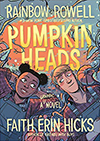 I was a little hesitant about reading this since
  Also, this is your annual reminder that today is Halloween ComicFest, so if that’s your thing, see if one of your local comic shops is hosting an event
  Certain Dark Things
 I took a rather winding road to get this book: Nicole Cliffe, who’s
 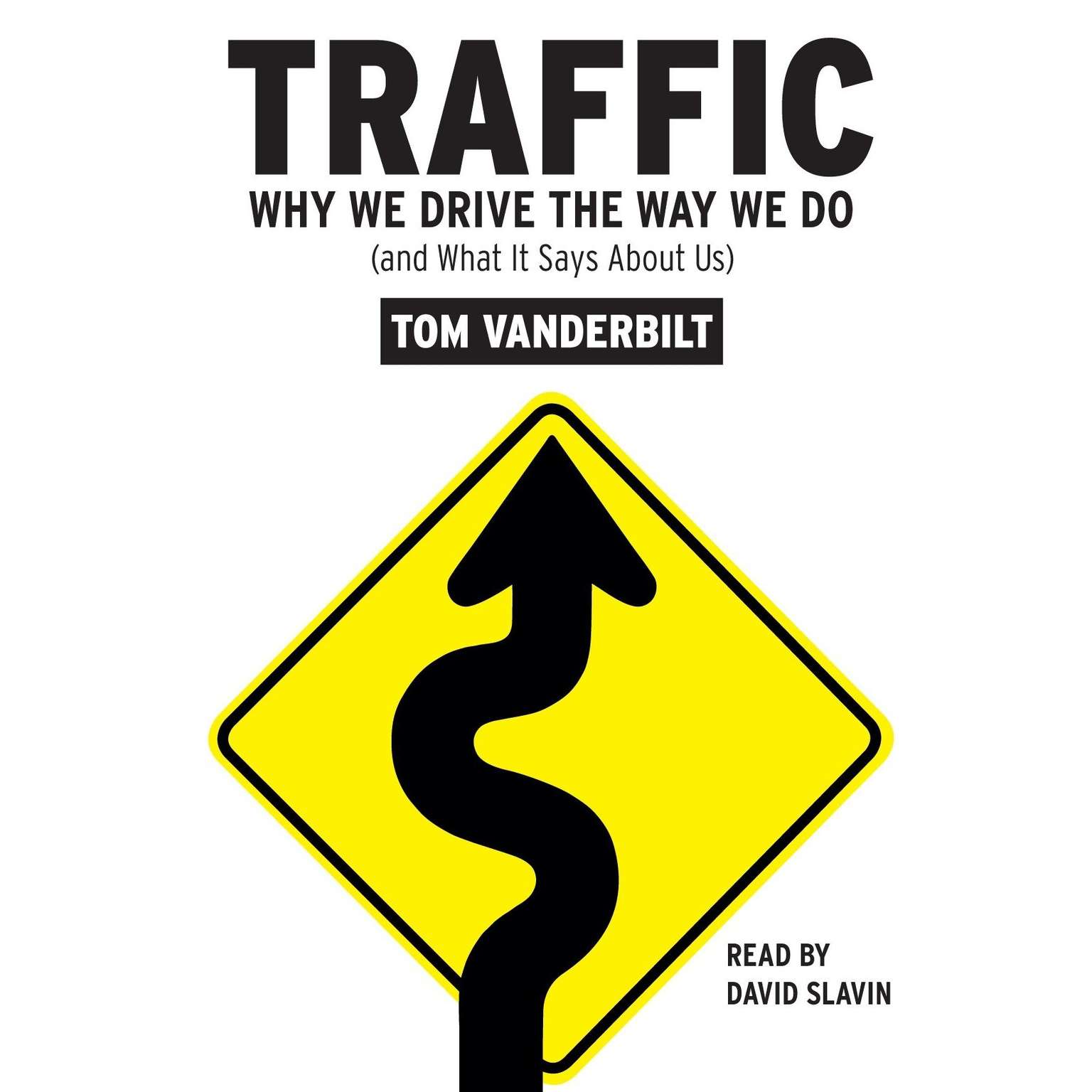 Traffic: why we drive the way we do (and what it says about us)
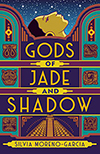 Ooh, this book is so good (and how gorgeous is that cover)! It really does stand as uniquely its own, but all the descriptors I can think of are derivative of other books: it’s like American Gods but gentler, funnier, and somehow just more feminine; it’s got elements of both The Last Unicorn and The Labyrinth, a couple of my favorite pieces of media. Basically, they all have common motifs of mortals discovering the unexpected power they have to either help or resist immortals.
 Biblio-therapy