I almost skipped the Ann Arbor Comic Arts Festival, held in the downtown branch of the Ann Arbor District Library, because I was tried and busy and distracted and when I went to double-check the time and location, the website was definitely geared towards families with young kids.
I’m really glad that I went though! There were probably about 50 artists’ booths and while the content was all family friendly (some of the artists had left some of their creations at home in order to keep the selection family friendly) there was still plenty of things that I found interesting. I forgot to come with a suitable amount of cash, but a number of the vendors did take credit cards, and I acquired a few more fascinating items.
100 Demons Dialogues by Lucy Bellwood This is a sweet little book that has some serious emotional impact, as Bellwood personifies her internal critic as a little demon that follows her around, and she refutes its arguments as she continues to work on her art. It’s remarkably inspiring.
to and fro by kat tuesday This is a short (24 pages) compilation of three of the author’s works, including Peek and Plover in Another Blasted Cave, and is just generally kind of adorable. In some ways it feels like the kind of sketch/doodle story that you might create when you’re bored in a meeting with only your note pad available, except that it’s both really well done and finished.
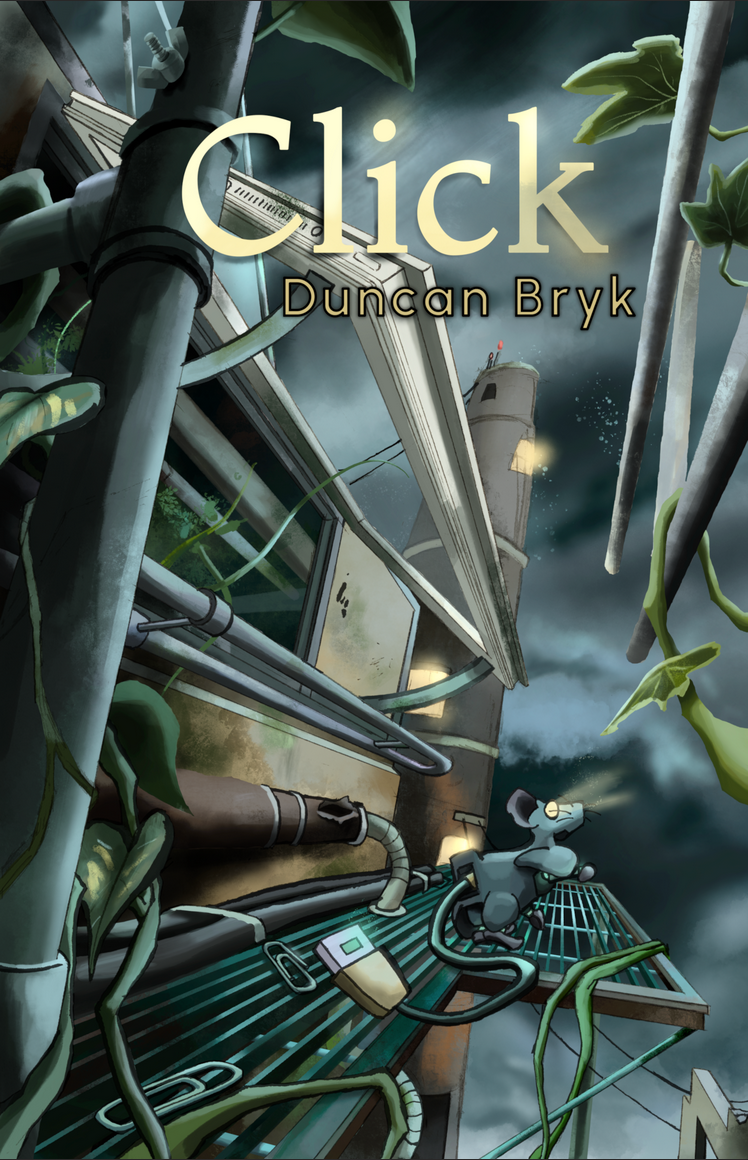
Click by Duncan Bryk This has some fascinating background world-building of some sort of magical-realism steampunk post-apocalyptic situation, except that it’s all through the point of view of a mouse that only explores within the one odd mansion and only interacts with the very strange caretaker of that mansion. The caretaker clearly knows more about the situation than the mouse, but the mouse is their only companion as well. The overall sense is a combination of intrigue and melancholy.
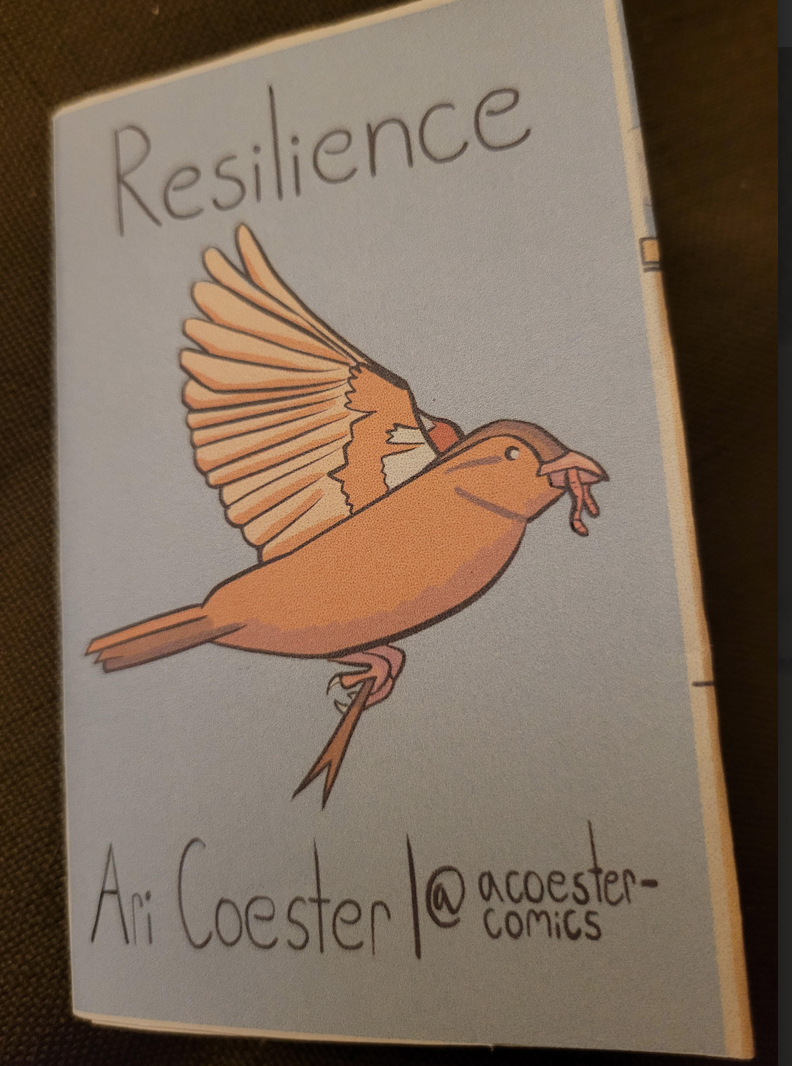
Resilience by Ari Coester This is a tiny zine (ie, an 8.5×11 paper folded to create an 8-page booklet) about the anti-bird spikes that corporations install in their signs and how the birds build their nests right on top of those spikes. Adorable!
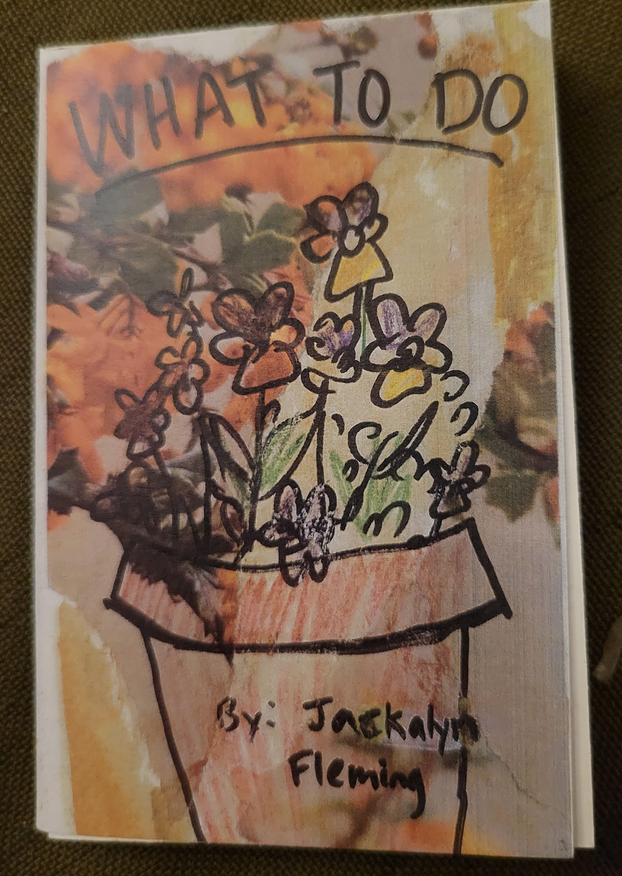
What To Do by Jackalyn Fleming This is another tiny zine that consists of a flower wondering what it’s purpose in life is. Having bloomed, it wonders what’s next and asks the people around it. It turns out that the bee has opinions but the bird doesn’t care. It’s both hilarious and feels timely.
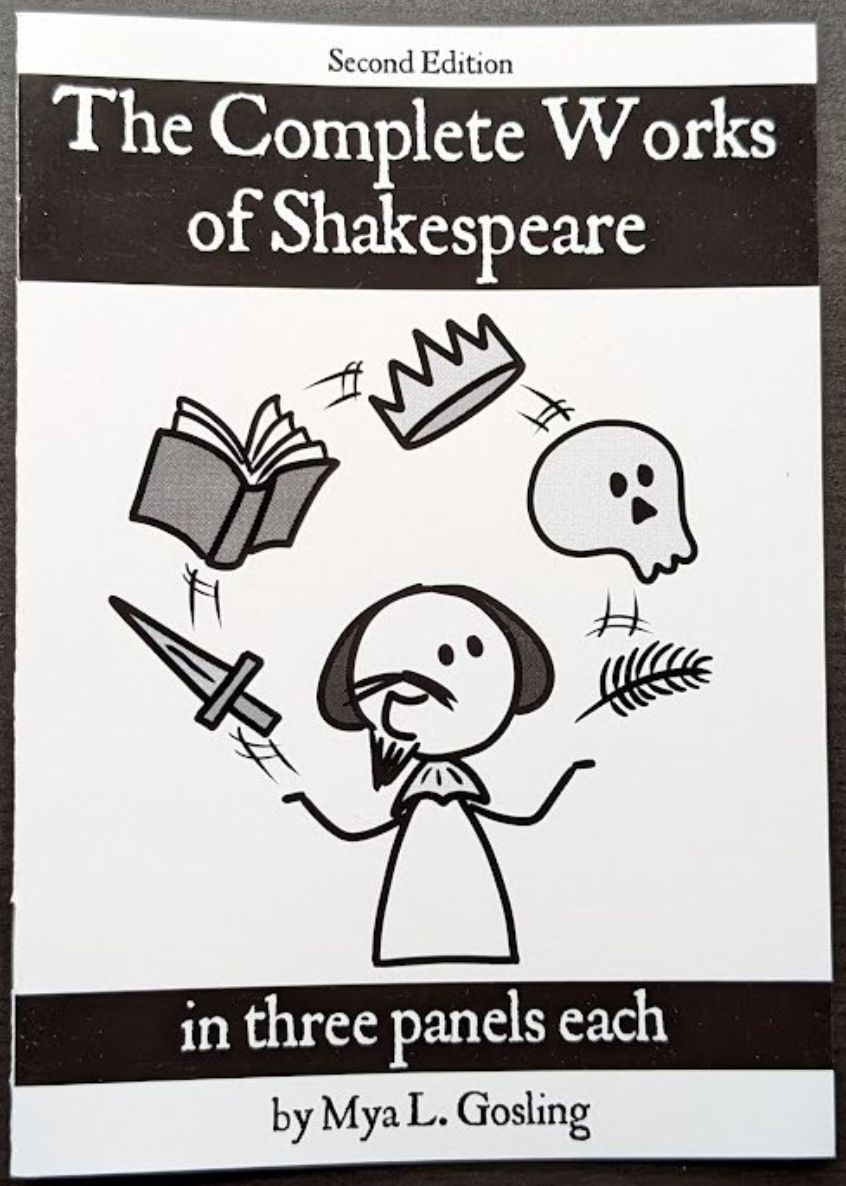
The Complete Works of Shakespeare in three panels each by Mya L. Gosling I’ve followed this artist’s work for years and was delighted to get a physical copy of some of her work. It’s hilarious, and also really well done. Just, taking each of Shakespeare’s plays and stripping them down to the bare minimum (and perhaps significantly beyond) of plot points. It feels a bit like poetry and a bit like a series of teasers.
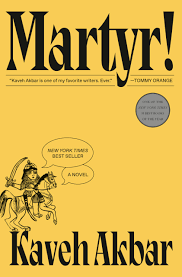
This is capital-L Literary novel about a depressed young poet searching for the meaning of life and death, and I should absolutely hate it, but I was riveted! I guess that’s a testimony to the writing. The protagonist is still quite annoying, the sort of drug-fueled tortured artist that intrigued me in my 20s and just exhausts me now. But even within the first few pages, I ran across lines that I knew would stick with me for a while.
I never would have even picked it up if it hadn’t been recommended by what is becoming one of my favorite e-newsletters, Death by Consumption.* The recommendation includes this quoted passage:
Everyone in America seemed to be afraid and hurting and angry, starving for a fight they could win. And more than that even, they seemed certain their natural state was to be happy, contented, and rich. The genesis of everyone’s pain had to be external, such was their certainty.
And I thought to myself, well, yes, of course we all want to be happy, contented, and rich; who doesn’t? So I felt like I needed to read the book to find the counter argument. I didn’t really get an answer, but instead got a lot to think about over the next few days and weeks. (Danny also calls it “short but expansive” and I believe his definition of short has been warped by the enormous tomes he usually reads, since this comes to a healthy 331 pages, but it was a quick read, with short chapters from rotating viewpoints that pull you in for ‘just one more.’)
Also, about halfway through the book, there’s a surprise twist that adds a significant mystery that I wasn’t expecting at all, but helped balance the tortured artist side of it all. That said, I found the ending both confusing and upsetting, which could have been intentional but I got the sense that I was getting caught up in details and missing the big point of it all. I was incredibly grateful to google for autofilling my search of “Martyr! Kaveh Akbar…” with “ending explained” and finding an hour-long lecture on youtube, as well as a decent sized reddit thread.
*Side recommendation: I first started following Danny Gottleib’s writing when he was doing a tongue-in-cheek Julie & Julia thing called Danny & Gweneth, where he tried to make all of Gweneth Paltrow’s recipes with ingredients he could find locally in the Midwest. He ended up moving to NYC and switched to a general media recommendation newsletter that I look forward to every week.
Love, Death + Robots: The Official Anthology: Volume One 2021, audiobook 2025
I have not watched the animation series, but I’ve heard good things about it and I saw that this audiobook existed and so I got it and listened to it on my work commute. And I didn’t quit halfway through, though I was extremely tempted. It has some of the worst writing I’ve ever read/heard. Like, at least one story that’s right up there with Eye of Argon, and others that were close runners up. What’s also crazy is that, as I was listening, increasingly appalled with each new story, I realized that they were managing to cover a wide range of ways in which writing can be poorly written.
In retrospect, I realized that there were two entries that are explicitly screenplays and thus can be forgiven (I suppose) for going into details about exact camera angles, and scene changes, and repetitions of the exact time of day even though it didn’t change, but wow was it hard to get through on my commute. The fact that one of those screenplays (“The Witness” by Alberto Mielgo) literally opened with “a beautiful woman is naked in front of a mirror, applying make-up” felt like such a stereotype/cliche that I wondered if it was intended as a spoof. Sadly, if it was intended as satire, it never made any particular point.
A lot of the stories (“Suits” by Steve Lewis, “Sucker of Souls” by Kirsten Cross, “Shape-Shifters” by Marko Kloos, “Blind Spot” by Vitaliy Shushko, “The Secret War” by David W. Amendola) had men with overwrought machismo fighting slavering aliens, with the type of clinical descriptions of violence and gore that I might expect from an audio-description of a visual media, but not from even a book adaptation of a movie. (“Lucky Thirteen” by Marko Kloos, has a woman with machismo fighting human soldiers, but the rest remains the same.) Text and video are different types of media and text is better served trying to describe the impact of violence/gore on the characters rather than just a description of a picture. However, most of them couldn’t even make their violence impactful. Plus, a really eerie pattern I noticed was how in these stories, there was all this extreme violence between the “main characters “good guys” who feared for this lives but stayed strong through it all because they needed to protect their people, versus the “bad guy” alien others who were mindless killing monsters with no thought or culture of their own, only an endless desire to kill humans. But their actions were the same, extreme violence towards one another: just one side was good and one side was bad. It felt like video games for armchair warriors, who wanted to feel powerful and liked gun statistics and weren’t at all interested in the source of any given conflict.
Some of the stories (“Sonnie’s Edge” by Peter F. Hamilton, “The Witness” by Alberto Mielgo, “Beyond the Aquila Rift” by Alastair Reynolds) had an interesting concept and/or twist that I would have enjoyed seeing presented better and with less of a look at the authors’ sexual issues.
“Beyond the Aquila Rift” was actually the first story (ie, the seventh story) that I thought was genuinely well-written. And then it swerved into focusing on a middle-aged dude’s feelings about his extra-marital affair and it mostly stayed there for the rest of the story, pushing aside the interesting science fiction scenario and reminding me of the stereotypical English professor writing a novel about having an affair. The author tried his best to make the affair plot-significant and mostly managed to make the protagonist so self-centered he came across as a sociopath.
There were some decent stories. (“The Dump” by Joe R. Lansdale, “Fish Night” by Joe R. Lansdale, “Ice Age” by Michael Swanwick, “Alternate Histories” by John Scalzi.) It’s too easy to forget them when I think back on the book. But they were there. They were short, but interesting and fun and funny.
There were two genuinely good stories that I enjoyed a great deal and actually recommend. Luckily, I can even provide links to them (the written versions, not the audio):
“Good Hunting” by Ken Liu is excellent and heart-breaking and heart-warming and all that about China losing it’s magical culture during the British colonial period and then regaining it in a steampunk fashion.
“Zima Blue” by Alistair Reynolds is fascinating and thought-provoking and I have so many thoughts about it but also don’t want to provide any spoilers, because the story itself is so well laid out in the way it presents the situation and slowly makes the reveal, and then leaves the reader to continue to thinking about all the implications for days afterwards. It’s about an artist who went through extreme body modifications in order to have experiences no one else could, and the reporter who interviewed him about his final piece.
Whew, it’s been a month (or three) hasn’t it?! I don’t have much else to say except to thank Rebecca for continuing to push this blog forward when I ran out of steam for a while there. You can thank her too for dragging me back in by sending me these links and then haranguing me until I finally read them:
Rebecca sent me the link to this novelette (8,410 words) that has been making the rounds on social media lately. Written in 2015, it is eerily accurate for 2020, down to some of the tiniest details. Told in the style of a food blog, it stays grounded in everyday life, capturing the broader human experience through the smaller individual shared experiences. Though Kritzer is anticipating (again: frighteningly accurately!) an unusually difficult period in the modern era, she also highlights the strength and generosity that people can and do bring to shared struggles, making it a much more hopeful reflection than one would expect.
This slightly longer novelette (10,883 words) came out in 2023, along with readers’ hopes that it doesn’t turn out to be quite so on-the-nose this time around, though it sadly doesn’t seem out of the realm of possibility. Though the scope of the crisis is even larger this time, so is the community that comes together to bolster each other in truly innovative ways. I very much hope it doesn’t come to quite this extreme, but Kritzer again focuses on the positive, the basic good of most people and how they want to and can help each other. Through this, she provides some innovative blueprints for what different kinds of mutual aid can look like, and isn’t that what scifi does best, showing us a path toward a better future? I look forward to more of her writing (with only a little dread, haha)!
I love going to the Small Press Expo every year and seeing what new and unusual things are available and buying a whole stack of comics/graphic novels, and hanging out with a really fun crowd of creators. This was the first year that I attended some of the workshops in addition to the panels and vendor market, and they were so much fun and extremely inspiring. I bought a stack of new comics and have already read a number of them:
Garibaldiology: Japan Travelogue 1 by Garibaldi, 2014 This is an extremely cute little travelogue/drawn journal about the artist going on a trip to Japan, and is quite funny in a day-in-the-life manner about exploring a new place and meeting new people being a little gremlin. What particularly struck me is how non-judgemental, good or bad, it is in narration even as the person is judging the things around them. Their opinions are their personal opinions and not to be taken as anything greater than that. The over-all effect is just: wow, this is a thing that happened. And it’s just very cute.
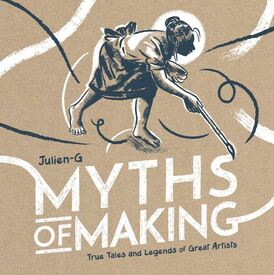
Myths of Making: True Tales and Legends of Great Artists by Julien-G, 2024 The art is really striking restricted pallet of only three colors, that works to excellent effect, with retelling 25 stories and legends from pre-64,000 BCE, up to 2022. I really enjoyed both the art and the stories, but what really caught my eye was the book binding, which is beautifully done sewn pages onto a fabric spine with heavy board covers, such that a quite thick volume can be opened to lay flat without any concern for the gutters. I do have an appreciation for the artistry in bookbinding.
No Pants Revolution #8: Acceptance by Andrea Pearson, 2024 This is the eighth issue in a series for which I haven’t ready any of the preceding issues, but it’s okay because each one is a stand-alone auto-biographical collection of thoughts and experiences. In this particular issue, the author is contemplating acceptance as in a stage in grief, a prayer for serenity, and part of self-care.
I Got a Tattoo Every Month of 2023 and Now I’m Broke, by Clau, 2024 I got this at the same stall as No Pants Revolution, because it is very small accordion format zine and I liked the way the artist used a cartoon kewpie figure to show where the tattoos were located. It also seemed like a representation of how many people are struggling to get through the year, finding their own methods for motivation.
Body Issues: Comics About Body Image, art by Babs New, 2022 One of the workshops I went to at this small press expo was a life drawing (ie, nude model) class hosted by the artist/author of The Cadaver Diaries, which I’d bought and enjoyed last year, and modeled by Babs New, the non-binary artist for this book. This book is composed of short accounts by people talking about their struggles with feeling comfortable with their own body and societal perception, and illustrated by this artist. Each speaker has a little cartoon animal representative and then concludes with a simple line drawing of them in the nude, revealing the body they’ve been struggling with.
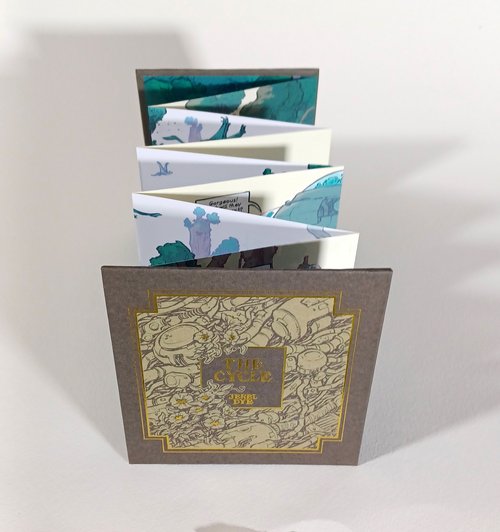
The Cycle by Jerel Dye, 2023 This is gorgeous little accordion book that is so beautifully crafted that I bought it without even really considering the story, but the art is lovely and the story is both simple and increasingly deep as I continue to think on it. I do love the use of gold foil on the cover. It’s drawn as a single scene in both the front and the back but it’s also a timelapse of events, scanning over a scene. The author makes excellent use of the different ways the book can be read.
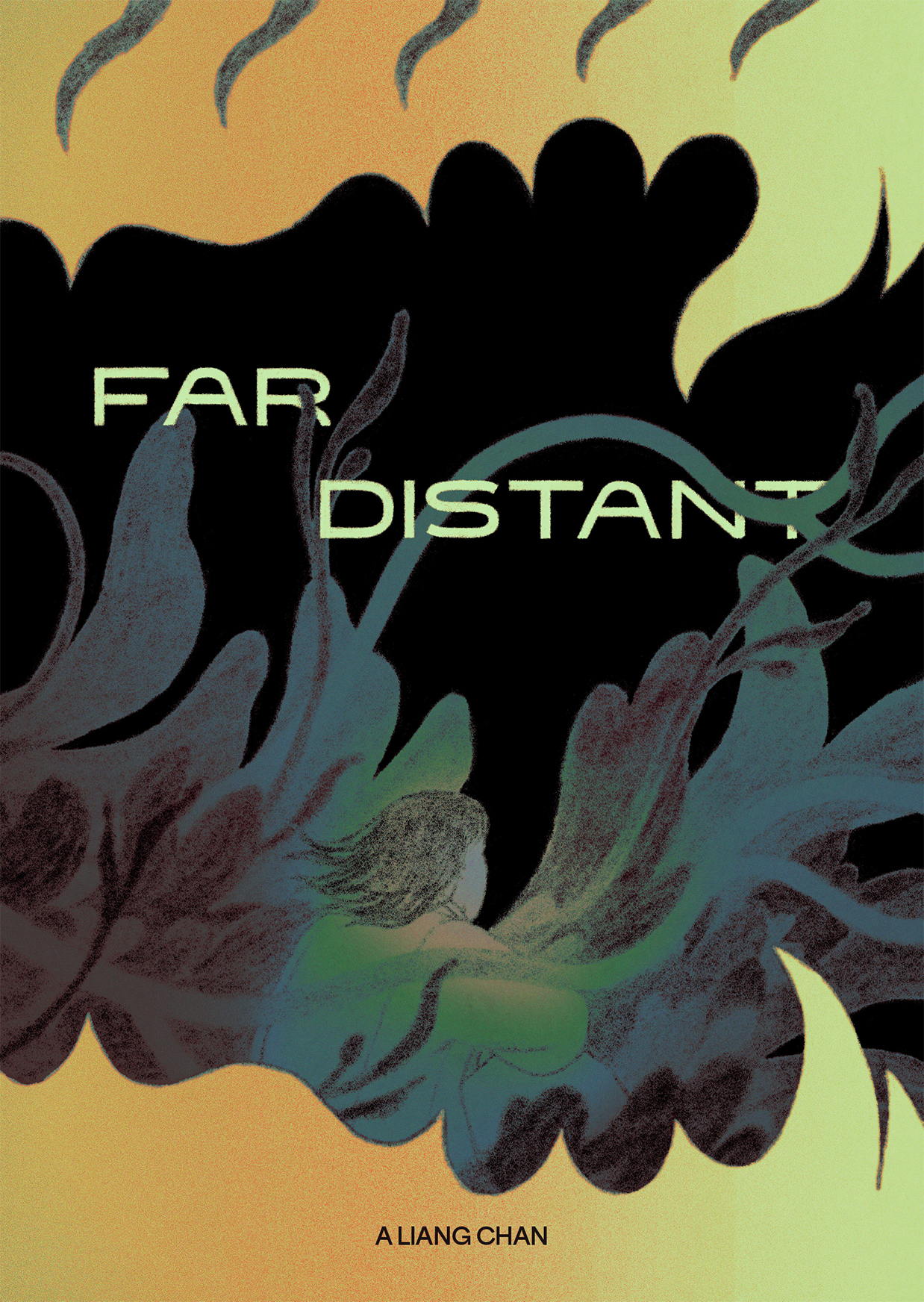
Far Distant by A Liang Chan, 2023 This is a beautifully illustrated stand-alone short story graphic novel about a researcher stationed alone on a distant outpost in charge of managing some transmissions, but receives a series of transmissions that at first seem to simply be corrupted, but instead are a communication from something else entirely. This is a really excellent example of stories that require thought to tease out the implications rather than having everything be explicitly told, and I really enjoyed it. It also felt like a good companion piece with The Cycle, although they are completely unrelated.
Devil in the Pines by Natasha Tara Petrović This is a beautifully illustrated “short comic about the tragedy of the Jersey Devil“, which I hadn’t particularly known about before, but this is beautiful and tragic, and makes me sad for a little devil who’s own mother cursed it. It’s just 16 pages long, and feels like it sits in the middle ground between a comic book and a picture book. It’s just a little devil who was born that way, does no harm, and is lonely being it’s own unique self.
Coextinct by Edea Giang, 2024 This is just 12 pages in black and white, a short but direct manifesto about how extinction events are happening across all species, not just the cute and beautiful ones, and how important it is to not ignore the small and unsightly. It looks specifically at the louse that lived exclusively among the feathers of a single species of bird that was also going extinct. The rescue workers who successfully managed to pull the bird species back from the brink of extinction, were also the ones who killed the the last examples of the louse. There was no evidence it actually hurt the bird at all, merely that it lived among the feathers. And no one knows what the relationship was between the louse and the bird.
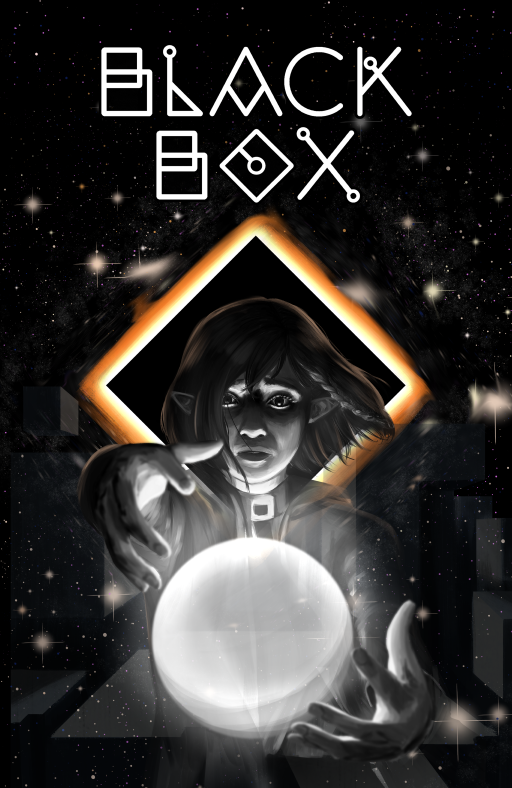
Black Box by Carlos Chua and Regina Chua, 2024 This is the first issue in a proposed comic book series, so it’s just setting the premise but the premise is both a delight and a horror: it’s a fantasy world based on magic, but it’s also a modern world with capitalism and stock exchange, and our main character is an oracle who’s feeling burnt out after years of running prophesies about how stocks will fluctuate, and finally quits after she prophesies a major disaster and her boss reams her out for not suppressing that in her report. It felt remarkably realistic.
2020 was HELL but the KPOP was good! by Kori Michele The first workshop I attended at small press expo was held by this author, about making extremely small zines, with simple folding techniques: teaching us how to make them and showing us examples of artists who had used them to good effect. This isn’t an example of those folding techniques, but is an example of her philosophical approach, which was to just make a zine as a way to give information to her friends and families: such as a playlist of the songs she was enjoying. The workshop was both fun and inspiring, and I got one of the authors larger books as well, but I haven’t read it yet. I also got this little zine, because it was a fun introduction to a music genre I’m not particularly into. I have since watched/listened to all the music videos, and it was a fun intro, even though it’s still not my music genre of choice. But it remains an inspiration of a fun way to create a modern mix-tape, leaving it to the reader to actually acquire the songs.
And, of course, these are just the relatively short comics that I’ve already read in the week since I got them. I have another stack of five larger and more extensive graphic novels that I need to read. But just, I do love the Small Press Expo and the whole range of people and creations that I see there.
I just read Penric & the Bandit, the 13th and most recent addition to the Penric & Desdemona series by Lois McMaster Bujold, and it was a lot of fun, although not necessarily a stand-alone story. I highly recommend the whole series, and the books set in the same universe, and pretty much everything by this author. However, reading this latest story reminded me of how there was some really excellent fanfic set in Bujold’s Five Gods universe that I highly recommend.
One of the real benefits of fanfic, as a genre separate from the canonical source material, is that it can explore ideas that are mutual exclusive to one another, and explore endings without actually concluding the story. Several of these stories deal with what happens to Desdemona when Penric eventually dies.
End of the Road by Gwynne Summary: Desdemona has moved from one rider to another a dozen times. This is just one more. My review: This is short, only 975 words, and brings tears to my eyes every time I read it, but it’s not sad: it’s glorious. Penric dies a peaceful death that he and Desdemona had prepared for, but this death is different from any of her previous riders and Desdemona is different too and the god recognizes and rewards that.
After the End by allonym Summary: Given the choice of jumping to her, or being dissolved in the unfathomable energies of the Bastard’s Hell, Penric kin Jurald’s demon had chosen its destruction. Somewhere, the Bastard is laughing at Eleni. My review: This is a fabulous continuation of Gwynne’s End of the Road, showing events and consequences for people who did not have the perspective to see the meeting between demon and god. And also includes Penric’s funeral, as a beloved saint of the Bastard, and those funerals are always hilariously chaotic.
Penric’s Last Ride by Zarz Summary: Pen and Des have had a long and happy partnership together as demon and rider, but Des is well aware that humans don’t live forever, and one last mission to deal with an invading army proves to be Pen’s last. Now Des is stuck as an unwilling ascended demon with an unresponsive rider. Des may be struggling after outliving yet another rider, but being eaten by a saint and dissolved back into chaos isn’t her preferred outcome either. But maybe, just maybe, the Lord Bastard has more grace for His demons than any of them ever realized. My review: This is a different take on how Penric dies and what happens with Desdemona, that really leans into the idea that the gods are parsimonious, and use the deaths of their saints to further their goals just as they used their lives, but it works out because their goals are to their people’s benefits as well.
Inheritance by silverbirch Summary: Generations after the events of Paladin of Souls, an old man finds an heir, and a young man finds a new vocation. My review: Once more, this is a story about the death of a sorcerer and the response of the demon, but instead of Penric, it’s Foix dy Gura, a character from the books The Curse of Chalion and Paladin of Souls, with Penric mentioned as the author of a book written centuries before. This reads very much like a reprisal of the first Penric & Desdemona story, Penric’s Demon, while also being a short look into the future of those characters we met in the first two novels, and I love both of those things.
The Saint, the Scholar, and the Whale by Neotoma Summary: Ista in Jokona meets an unusual divine on an unusual mission. My review: In contrast to the other stories in this list, this is not about death, but a pure adventure that shows Desdemona continuing on being her immortal self with a new host and a new set of friends and family around her, centuries after Penric, who is still loved and remembered as an imprint, but there are other things to think about and new people to save and demons and befriend and saints to interact with. Life goes on and it’s an adventure!
I do love the way fanfic is a modern version of storytelling around the campfire, where anyone and everyone gets a chance to offer ideas and insights into what could or couldn’t happen in all sorts of scenarios real or imaginary.
I’ve been going to the Small Press Expo (SPX) for years, but last weekend was the first time I’ve managed to go to the Toronto Comic Arts Festival (TCAF) and it was so much fun! We came in to Toronto on Friday and left on Monday so that we could attend the entirety of the event on Saturday and Sunday. I attended five presentations, browsed hundreds of vendor stalls, and bought 14 graphic novels. (And was tempted by a whole lot more!) I haven’t read all my new acquisitions yet, but most of the ones I have are also online so I can link out to them as well as brag about them:
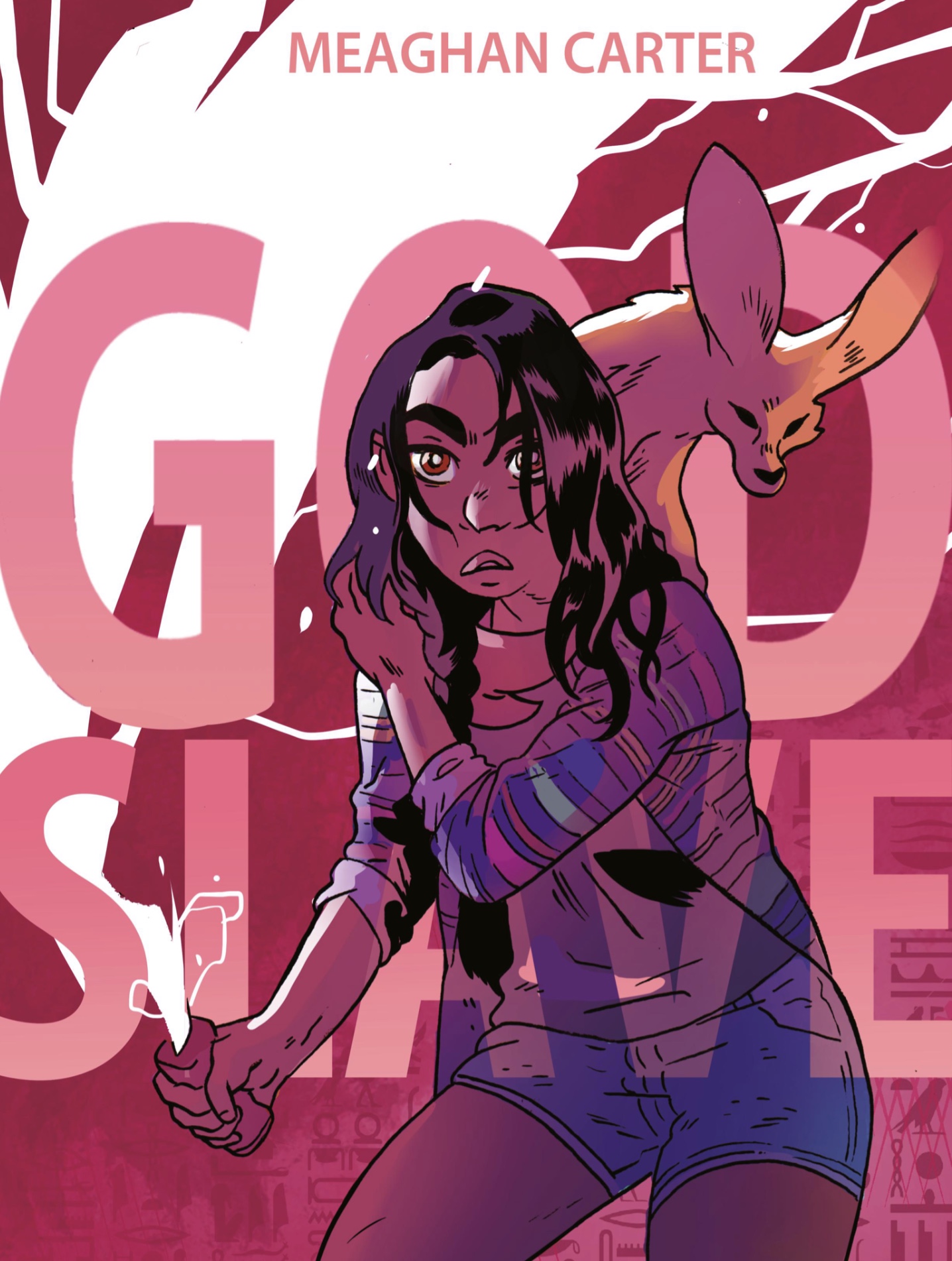
Godslave by Meaghan Carter A nineteen-year-old college drop-out accidentally wakes up an ancient Egyptian god who looks a bit like a fennec fox (so cute!) and then gets drawn into the deadly family drama of the Egyptian pantheon. Who the good guys are is deeply in question. I bought the first two volumes, which comprise the first five chapters, but the online version has started the sixth chapter!
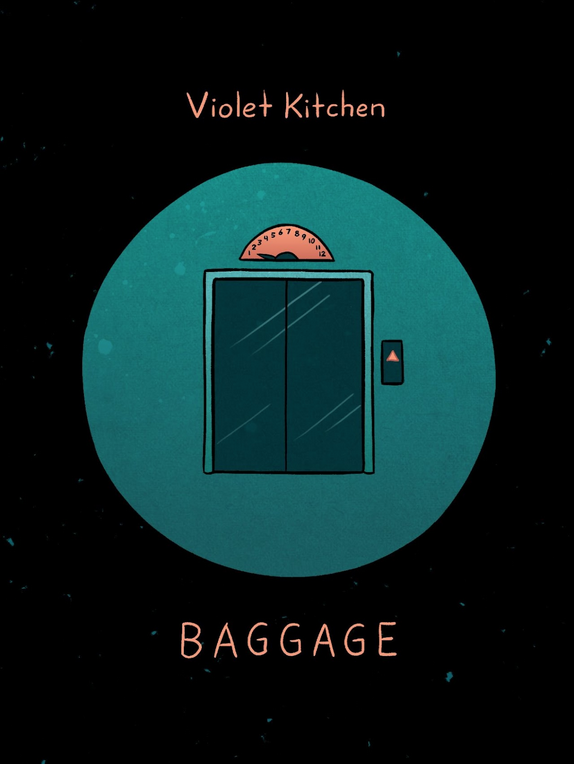
Baggage by Violet Kitchen This is an absolutely beautiful poem of a graphic novel, about packing for a trip, unpacking in a hotel room, and then repacking to depart again. It’s gorgeous in the way it uses both artwork and words to evoke emotions and communicate a sense memory. The imagery is very clean and crisp while the concept is very ethereal and dreamlike, and it works together perfectly.
The Closest Thing to Living by Ky K They only had the prologue of this story in hardcopy, but it drew me in and included a link to the online version for me to continue following and see what happened to the woman who wakes up from her murder, discovers she’s a vampire, and decides that this is the freedom she needed to be more true to herself. She’s very nihilistic and isn’t much interested in her own past, but it looks like despite being dead, she won’t be able to actually walk away.
Autumn Wing and the Crown of Fire, Volume 1: The Sword of Red Leaves by Brandon Hankins Gorgeous inkbrush artwork with a limited color palate that I really love. This first chapter is about a young nephilim, who’s trying to earn the right to go on a quest to forge a crown of fire, aka a halo, and come into his full power. It did a really good job of addressing what it means to be strong, especially when other people are yelling at you for both not giving in to them and for not being strong. I just bought the first volume, but five chapters are online!
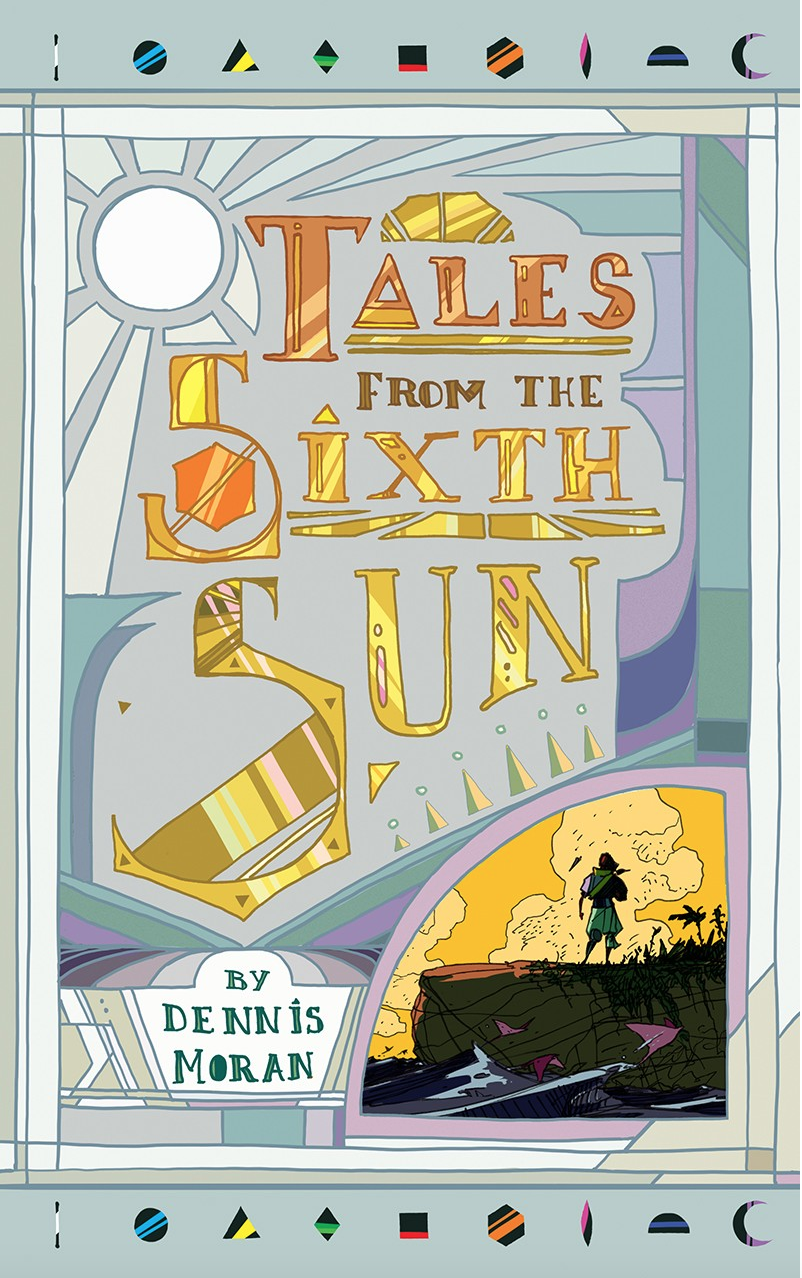
Tales from the Sixth Sun by Dennis Moran Absolutely gorgeous artwork and a magical world that reminds me a bit of Wakanda, with mysticism and technology integrated, set in a fantasy world heavily influenced by Afrofuturism and Inca-futurism. The first half of the book is nearly word-less, and the art carries the storytelling so beautifully but also very tightly focused. The later part has more dialogue and introduces a much more complex society and history and plot. This book contains the first three chapters of the story, but the first six chapters are online!
I am extremely picky about the graphic novels I buy: I they need to have both beautiful artwork and interesting storylines, and all of these were wonderful finds. I’m really looking forward to making this festival an annual event.
I have been bingeing so many web comics! There are so many, and cover such a range! And I know I’ve read web comics before and even recommended some of them on this blog, but previously I was discovering them on their individual websites and now I have discovered that there are phone apps that give you access to some untold numbers of web comics all through a single searchable interface.
Admittedly, the vast majority are pretty darn schlocky, and my first impression was that they were like harlequin romances for fantasy fans. (“His Majesty’s Proposal”, “The Remarried Empress”, and “Justice for the Villainess” are all real titles of webcomics I’ve tried.) But on the one hand, I do enjoy some schlocky fantasy romances, and on the other hand, there are other genres represented, and some really good stories, as long as you’re willing to go searching.
Many of the stories are on-going with weekly updates which remind me of why I stopped following comics in individual issues and waited for trade paperbacks instead. I find the individual updates frustratingly short. But having just discovered these collections, there are a lot of issues to catch up on before I’m current, and there are some great stories that have been completed.
Manta is one of the apps I downloaded on my phone, although it’s also available as a website. I now have a monthly subscription that gives me full access to any story in their collection. Some of the completed stories that I recommend are:
Shall We Pole Dance? is a 12-issue nonfiction story about a woman’s experience improving physically and mentally through joining a pole dancing class, that’s just sweet and delightful.
The Night Market is a 12-issue fantasy story about a magical market that is an intersection of worlds, where you can buy anything at all, but once you enter, you must buy something, and everything has a cost.
Unbreakable Master is a 141-issue fantasy gay romance about a guy who breaks everything he touches discovering that there is a hidden world of magical beings fighting a war for control of the world, and what role his powers might have in this struggle.
Traces of the Sun is a 96-issue fantasy gay romance about a guy who has the magical power to fix things, a job fixing destroyed buildings, and a secret: that when his childhood friends were killed in an attack, he tried to fix them, but only raised them as zombies that he can neither bring fully to life nor settle into peace. (This is based on a book and I want to read the book so bad, but it’s in Korean and there’s no translation available.)
Webtoons is the other app I now have installed on my phone, which charges a certain number of “coins” per recent issue, with coins being sold for real money, however, as long as you’re willing to wait a few weeks, the backlog of older issues are free. None of the stories I’ve read on this app have been completed, but there are several that I’ve enjoyed the backlog and updates for:
Eleceed is currently at 262 free issues of a fantasy adventure story about a kid who has a superpower discovering that there’s a whole society of “awakened ones” with superpowers and working up the ranks of power via an endless series of dramatic duels, which is a tedious premise, but the growing cast of characters are so darn delightful! The sweet kid, Jiwoo Seo, discovers an injured cat, who is actually a person, Kayden, who had semi-accidentally transformed himself into a cat, but proceeds to mentor the kid. This story made me realize that for a society that’s essentially lawful evil, the chaotic neutral of Kayden is a net benefit.
Cleric of Decay is currently at 30 free issues of a fantasy adventure story where our protagonist has been sucked into a video game he was playing, but only after he’d both selected a particularly difficult/weak character class AND installed cheat codes to make it viable. So now he’s wandering around as the last living cleric of an evil goddess who was killed and dismembered years ago trying to collect objects of power at the demand of a mummified hand of a goddess while staying unnoticed by the various paladins and clerics of more accepted deities.
Paranoid Mage is currently at 11 free issues of a fantasy adventure story about a young man who discovers he has magic powers shortly before being discovered by a secret society of magic users who are strictly hierarchical and do not think he is allowed to opt out of joining their society on a low rung. He escapes, and is now on the run/in hiding, while trying to learn to use his powers, and also stumbling across parts of magical society.
So, I didn’t really know who Naomi Klein was, or Naomi Wolf for that matter, but I’d seen the rhyme going around twitter:
If the Naomi be Klein / You’re doing just fine / If the Naomi be Wolf / Oh, buddy. Ooooof.
and it made me laugh, even without context. And, well, here’s the context and then some! Naomi Klein, I learned, is a renowned author who has previously focused on criticisms of capitalism and government, and who has long been deviled by the inability to distinguish her completely from the “Other Naomi.” Naomi Wolf first became famous as a feminist author in the 90s, a sort of peer of Camille Paglia.*
With the exponential popularity of social media and then the pandemic shutdown, the confusion grew even worse, and Klein became somewhat obsessed with her other, tracking Wolf’s sharp turn into deep right-wing conspiracies and alliances with Steve Bannon and Tucker Carlson among others. Klein uses her particular relationship (such as it is) with her doppelganger as an extremely effective jumping off point to comment on a wide variety of societal issues, such as increased isolation coming out of social media, polarization in politics, and the various grifters that take advantage of it all.
Some of the criticisms of the book are that it is too wide ranging, and would be better to have narrowed the focus, but I strongly disagree. One of Klein’s theses is that our social systems are all interconnected, and in order to make change, one must be able to take a wide view of everyone and everything. The disenfranchisement we’re seeing in politics, economy, environment, personal relationships, and on and on, are all tied together, and Klein’s general framework of doppelgangers and mirror worlds is a very effective thread leading the reader through them all.
It’s such a sprawling and deep look at issues I don’t often read about for pleasure, that I was continually caught off guard by how funny Klein is. Just about every passage had me laughing out loud, her accounts of being very occasionally mistaken for Naomi Campbell being a notable example. That said, it does get more serious as it goes, an effective way to lead more casual readers like me into deeper philosophical waters than we are used to.
Speaking of deeper philosophical waters, Klein references several times the docuseries “Exterminate All the Brutes” currently on HBO, which looks at the history of genocide in establishing “civilized” societies. I have currently just watched the first of the four hour-long episodes, since the topic is devastating and takes some time to sit with. The meandering, montage style took me a while to get used to, and the images and topics are definitely a bombardment to the psyche. But it is also increasingly clear that we’ve been taught a very white-washed and sanitized version of history, and it is critically important to try to unlearn that propaganda whenever and wherever we can.
* I have never read Camille Paglia, either, but at least was familiar with her due to a scorching review by Molly Ivins.













 Biblio-therapy